
In the mid-1940s, after decisive Allied victories in 1942 and early 1943 started tipping the conflict toward resolution, leaders across the United States faced a looming question: what would happen when millions of servicemen returned home?
After WWI, there was no plan for returning troops, and at one point, a staggering 40% unemployment rate amongst veterans loomed over the nation.
In Albert Lea, Minnesota, local business and civic leaders, perhaps learning from the previous world war, built a plan.
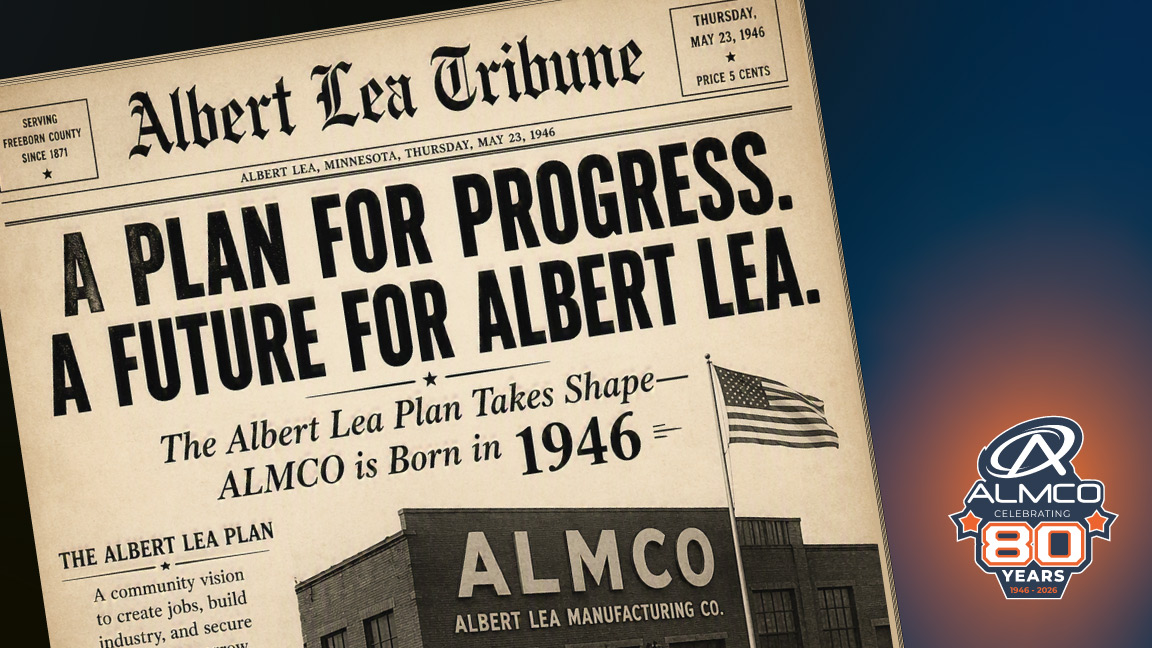
What became known as the Albert Lea Plan was more than a local initiative. It was an early blueprint for modern economic development, and its impact can still be seen today in the region’s manufacturing base, including the founding of companies like ALMCO in 1946.
The Problem: A Post‑War Economic Unknown
As World War II wound down between 1943 and 1945, many feared the U.S. economy could slip back into depression. Millions of veterans would soon need jobs, and wartime production was about to disappear.
At the same time, factories were preparing to shift from military goods to consumer products.
However, Americans, after years of rationing, were ready to spend again. New policies, such as the GI Bill, would expand education, homeownership, and business creation.
Nationally, the conditions for a manufacturing boom were taking shape, but where that growth would land remained uncertain.
The Albert Lea Plan: A Community Takes Action
In 1943, Albert Lea leaders launched a pilot program with the National Chamber of Commerce to address this challenge.
Their solution became the Albert Lea Plan, formally outlined in 1944.
At its core, the plan aimed to:
- Create jobs for returning veterans
- Attract manufacturing companies to the city
- Coordinate local investment to reduce barriers for industry
To execute it, they formed a nonprofit development corporation, Jobs Inc., in 1944.
Unlike many communities at the time, Albert Lea did not wait for companies to arrive. It built the conditions that those companies needed in advance.
A Groundbreaking Idea: The First Community Industrial Park
The most innovative outcome of the Albert Lea Plan came in the early 1950s with the creation of the first community-owned industrial park in the United States.
Known as Jobs Industrial Park, this development fundamentally changed how cities competed for manufacturing.
Instead of offering empty land, Albert Lea provided:
- Pre-developed industrial sites
- Access to transportation infrastructure
- Utilities ready for immediate use
- A coordinated local partner to support new businesses
This “ready-to-go” model is now common, but at the time, it was a major innovation.
Why It Worked: Perfect Timing Meets Smart Strategy
The Albert Lea Plan succeeded because it aligned with broader national trends.
After World War II:
- S. manufacturing surged as factories shifted to cars, appliances, and consumer goods
- Consumer demand rose quickly after years of limited spending
- Employment expanded as veterans reentered civilian life
Companies needed locations where they could scale quickly and efficiently.
Albert Lea had already solved that problem.
Enter ALMCO: A Company Born in the Boom
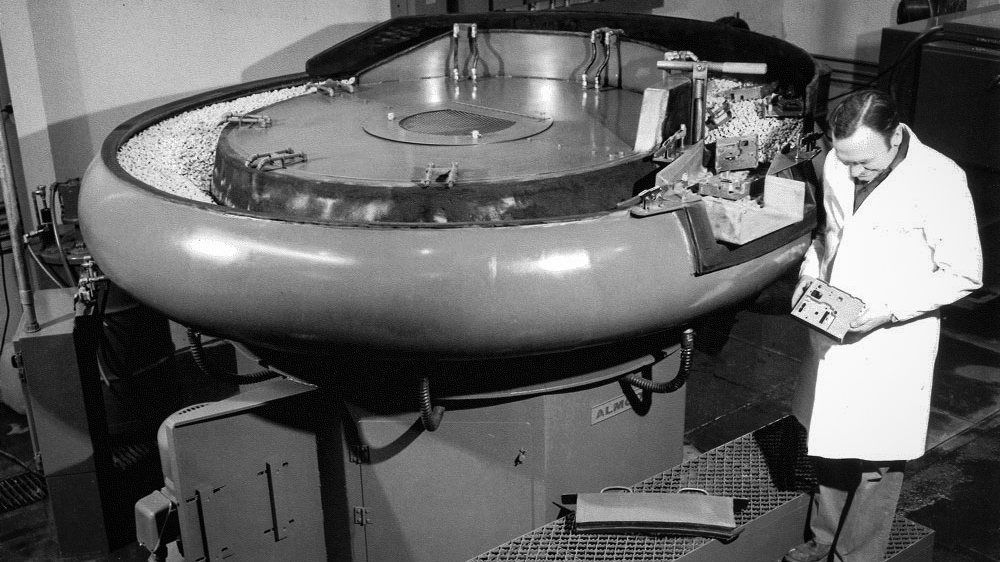
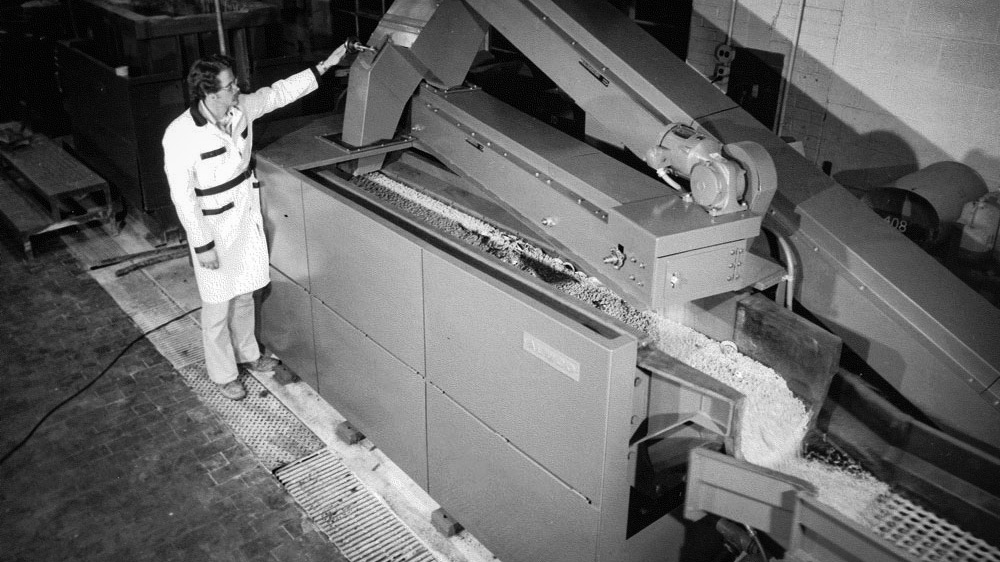
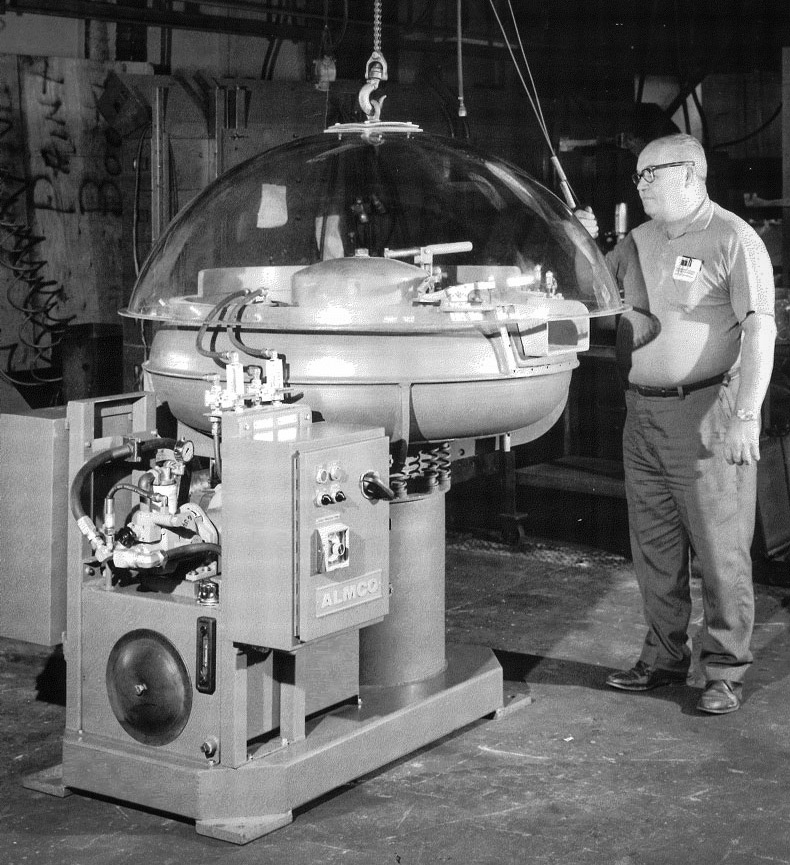
In 1946, less than a year after the war ended, Albert Lea Machine Company, now known as ALMCO, was founded.
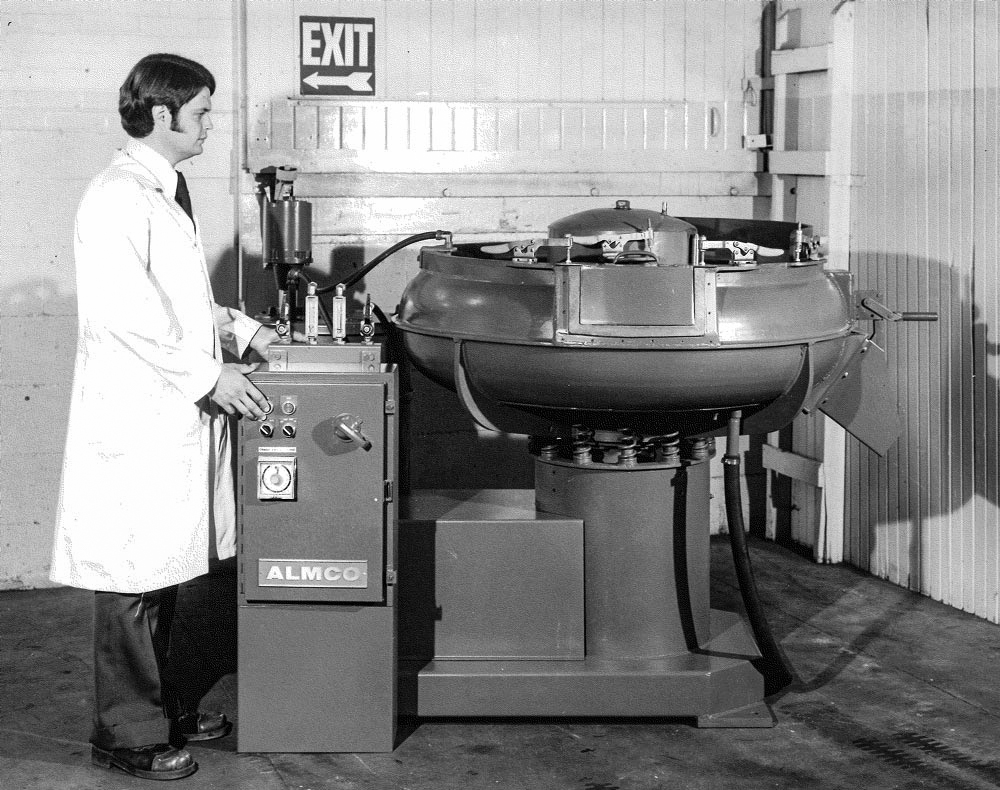
Its origin reflects both national and local trends:
- It emerged during the first wave of postwar manufacturing expansion
- It focused on industrial equipment used in mass production
- It grew alongside industries like automotive, aerospace, and metal fabrication
From the beginning, ALMCO specialized in finishing technologies, which are essential processes in high-volume manufacturing.
A Lasting Legacy
The impact of the Albert Lea Plan extended far beyond the 1940s and 1950s.
It helped establish Albert Lea as a regional manufacturing hub, influenced how communities approach economic development worldwide, and demonstrated the power of local collaboration between business and civic leaders.
Decades later, companies like ALMCO, now a global manufacturer, continue to reflect that legacy.
ALMCO is proud of its heritage and being born in Albert Lea 80 years ago.