
Overview of Aerospace Finishing Systems
Surface finishing is a critical step in aerospace manufacturing, where component performance often depends on precise control of surface characteristics. Finishing processes help manufacturers improve consistency, remove defects, prepare surfaces for downstream operations, and support long-term component reliability.
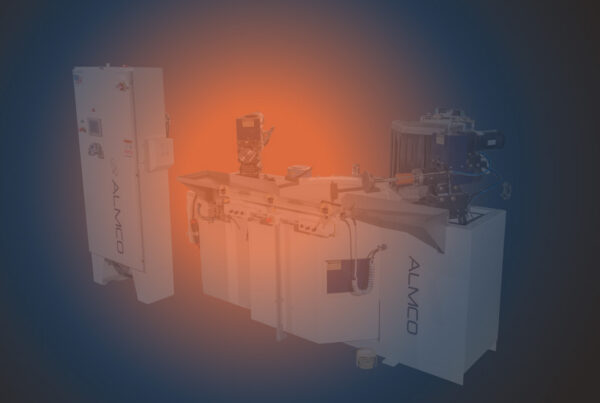
ALMCO designs and manufactures finishing systems that support these objectives through two primary equipment types: spindle finishing systems and Sutton-type finishing systems. Each system is designed to address different manufacturing requirements based on part geometry, production volume, and desired surface outcomes.
Selecting the appropriate finishing approach is an important engineering decision. In many manufacturing environments, the most effective solution is not a single process but a combination of finishing methods that balance throughput, repeatability, and surface-quality requirements.
Why Surface Finishing Matters in Aerospace Manufacturing
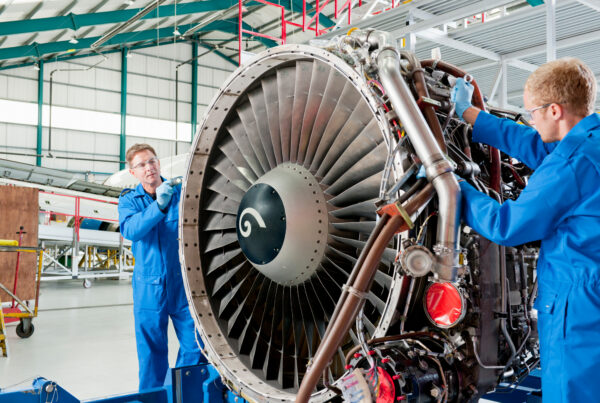
Aerospace components operate in demanding environments that may involve cyclic loading, vibration, temperature fluctuations, corrosion exposure, and strict inspection requirements.
Surface finishing can influence several factors that affect component performance.
Even minor surface imperfections can become stress concentrators or create challenges during downstream manufacturing operations. As a result, finishing requirements are often incorporated into engineering and quality specifications early in the production process.
ALMCO Finishing Technologies
Spindle Finishing Systems
Spindle finishing systems are designed for applications that require controlled and repeatable processing of individual components. Parts are mounted on rotating spindles and processed using carefully controlled interactions between the part and finishing media.
Spindle systems are commonly considered for components with complex geometries or applications where surface consistency is especially important.
Engineering Considerations
When evaluating spindle finishing systems, manufacturers typically focus on several variables that can influence results, like part fixturing, spindle speed, media selection, cycle duration, and part orientation.
Because these variables interact, process validation is often an important part of implementation.
Sutton-Type Finishing Systems
Sutton-type finishing systems are designed for batch processing applications. Parts and media are processed together within a controlled environment to achieve deburring, edge conditioning, and surface refinement across larger quantities of components.
These systems are commonly used when manufacturers need to process larger volumes of parts while maintaining repeatable results.
Engineering Considerations
Successful implementation of batch-finishing systems often depends on proper media selection, consistent media maintenance, appropriate part loading, process validation, and the separation of dissimilar part geometries when necessary.
Careful control of these variables helps improve process consistency and predictability.
Integrating Multiple Finishing Approaches
In many manufacturing environments, finishing processes are not used independently. Different finishing technologies may be applied at various stages of production to achieve specific objectives.
For example:
- Initial deburring and edge conditioning may occur in a batch-finishing process.
- Additional refinement may be performed using a spindle-finishing process.
- Final cleaning or preparation may occur before inspection, coating, or assembly.
The most effective workflow depends on the part design, production requirements, and quality objectives.
Supporting Manufacturing Processes
Finishing systems are often used alongside other manufacturing operations, including precision grinding, surface preparation, cleaning and washing, chemical polishing, and heat treatment.
From an engineering standpoint, process sequencing can be as important as the individual processes themselves. Changes made during a single manufacturing step may affect the requirements of subsequent operations, underscoring the importance of process planning and validation in the overall production strategy.
Expected Performance Outcomes
When finishing processes are properly developed and controlled, manufacturers may achieve significant benefits.
- Improved surface consistency
- Reduced variation between batches
- Improved edge condition
- Reduced manual rework
- More predictable inspection outcomes
- Improved preparation for downstream processes
The specific results achieved depend on numerous factors, including material type, component geometry, media selection, and process parameters.
Aerospace Application Examples
Turbine Components
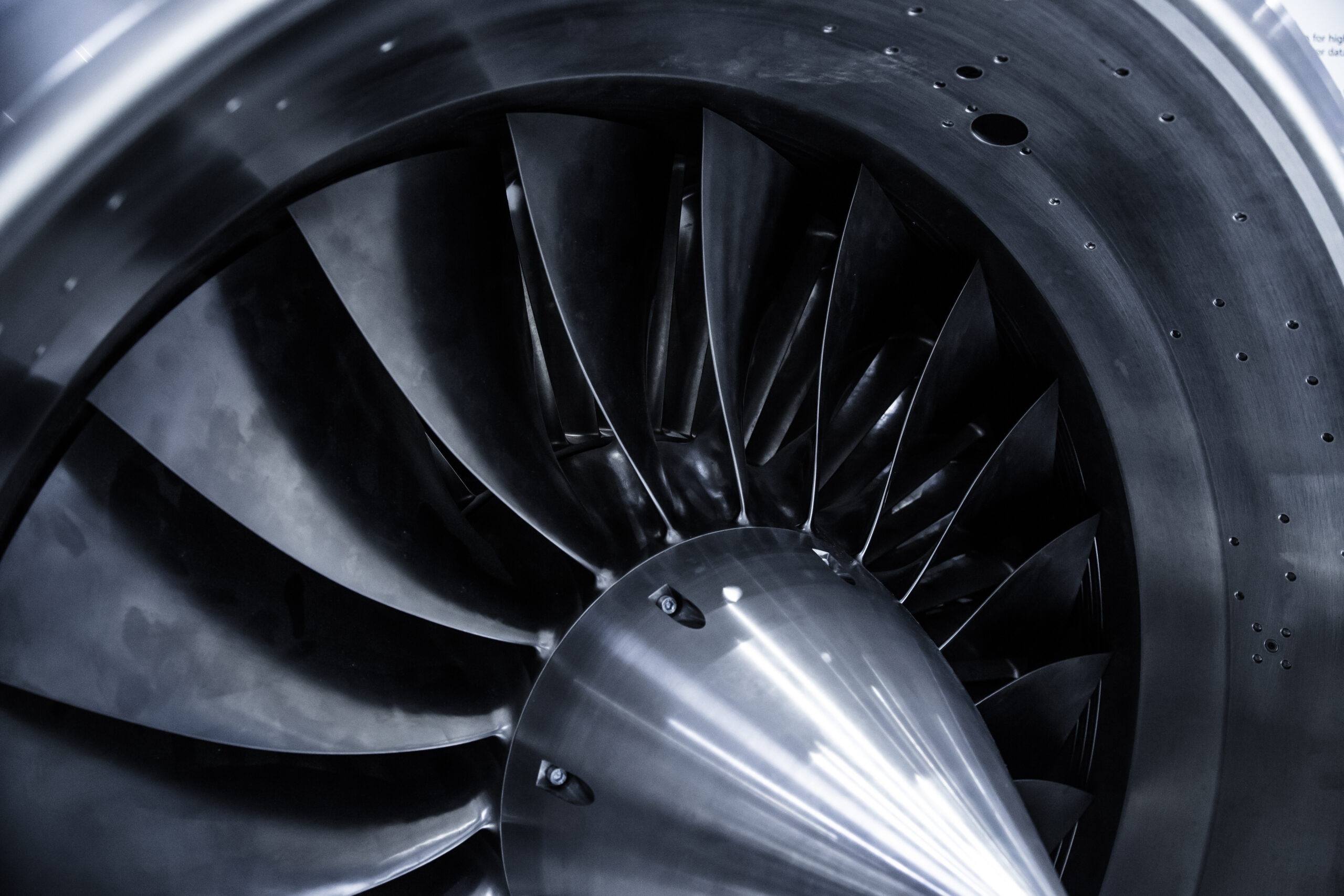
Turbine-related components often require controlled surface finishing to support consistency and help minimize surface conditions that could affect long-term performance.
Landing Gear Components
Landing gear and structural components often require deburring, edge conditioning, and surface preparation during manufacturing.
Aerospace Hardware
Fasteners, brackets, and other hardware components may benefit from batch-finishing processes that provide consistent surface treatment across larger production volumes.
Implementation Considerations
Successful finishing system implementation typically begins with a clear understanding of production objectives and quality requirements.
MANUFACTURER CONSIDERATIONS:
- Required surface finish characteristics
- Part geometry and material
- Production volume requirements
- Inspection standards
- Process validation requirements
- Operator training needs
- Long-term maintenance considerations
Treating finishing as a controlled manufacturing process rather than a secondary operation often yields more predictable, repeatable outcomes.
Trends in Aerospace Finishing
Increased process automation:
Automation reduces manual intervention by using machines, robotics, and programmed cycles to perform finishing tasks, improving efficiency, consistency, and throughput while lowering labor costs.
Greater emphasis on repeatability:
Manufacturers focus on ensuring that finishing processes produce the same results every time, which is critical for maintaining quality standards and meeting tight tolerances.
Expanded use of process monitoring technologies:
Sensors, software, and real-time tracking tools are increasingly used to monitor variables like vibration, time, and media condition, helping operators quickly detect and correct deviations.
Data-driven manufacturing optimization:
Data collected from finishing operations is analyzed to identify patterns and improve performance, enabling better process control, reduced waste, and continuous improvement.
Reduced chemical consumption and waste generation:
There is growing pressure to minimize environmental impact, leading to the adoption of more sustainable practices, such as reducing chemical use, recycling media, and lowering waste output.
Integration with broader digital manufacturing initiatives:
Finishing systems are being connected to larger smart manufacturing ecosystems, allowing them to share data with other production stages and support Industry 4.0 strategies like predictive maintenance and digital twins.
As manufacturing requirements continue to evolve, finishing systems are increasingly expected to support both quality objectives and operational efficiency goals.
Surface finishing plays an important role in aerospace manufacturing by helping manufacturers achieve consistent surface characteristics, reduce variability, and support overall component quality.
ALMCO spindle and Sutton-type finishing systems offer different yet complementary approaches to addressing a wide range of manufacturing requirements. By aligning finishing technologies with component characteristics, production objectives, and quality standards, manufacturers can develop finishing processes that support both operational efficiency and long-term product performance.