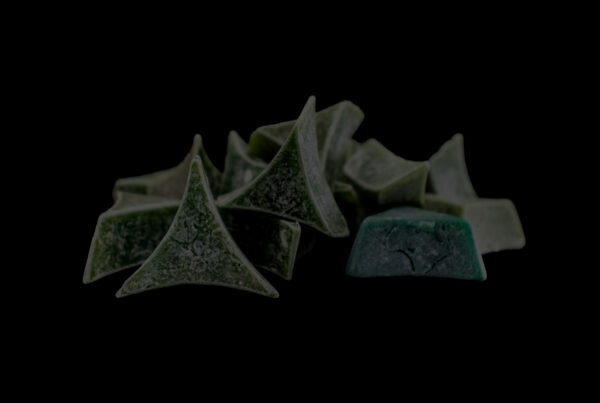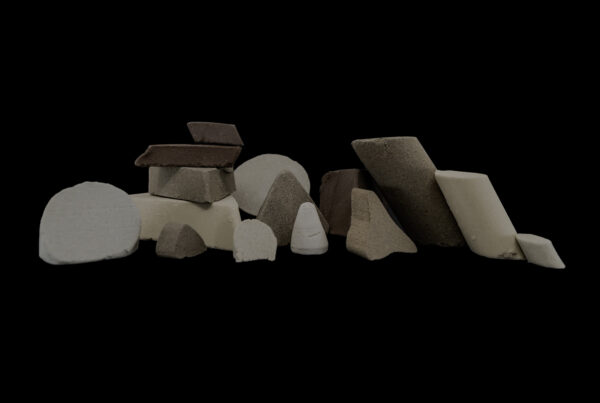

For mass finishing and surface preparation, both carbon steel and stainless steel media are widely used for polishing, surface smoothing, pre-plate preparation, and light deburring. As heavy, non-consumable finishing media, they offer excellent durability and consistent performance compared to abrasive consumable media. However, each material brings unique advantages that make it better suited for specific applications.
Understanding Steel Finishing Media
Steel media consists of specially manufactured balls, pins, diagonals, and other shapes designed for use in vibratory, centrifugal, and tumbling finishing systems. Unlike abrasive media that wears away during use, steel media is considered non-consumable, meaning it maintains its shape and effectiveness over extended production cycles.
Because of its weight and density, steel media delivers rapid finishing action while producing smooth, bright surfaces.
Steel media’s primary functions include:

SURFACE POLISHING

SURFACE SMOOTHING

BURNISHING

PLATING PREP

LIGHT DEBURRING

EDGE RADIUSING

SURFACE CONSISTENCY
Carbon Steel Media Overview
Carbon steel media is manufactured from hardened carbon steel and is known for its high density and aggressive finishing action.
Advantages of Carbon Steel Media
1. Faster Burnishing Performance
The high mass of carbon steel media generates substantial pressure during finishing cycles, enabling rapid polishing and smoothing of metal surfaces.
2. Cost-Effective Solution
Carbon steel media is generally less expensive than stainless steel alternatives, making it attractive for high-volume finishing operations.
3. Excellent Surface Compaction
Carbon steel media effectively closes surface pores and compacts metal surfaces, helping improve part appearance and preparing components for subsequent coating or plating processes.
4. Long Service Life
As a non-consumable medium, carbon steel provides extended operational life when properly maintained and protected from corrosion.
Limitations of Carbon Steel Media
- Susceptible to rust and oxidation.
- Requires rust inhibitors and proper storage.
- Can transfer ferrous contamination to workpieces.
- Not ideal for finishing stainless steel or non-ferrous metals where contamination must be avoided.
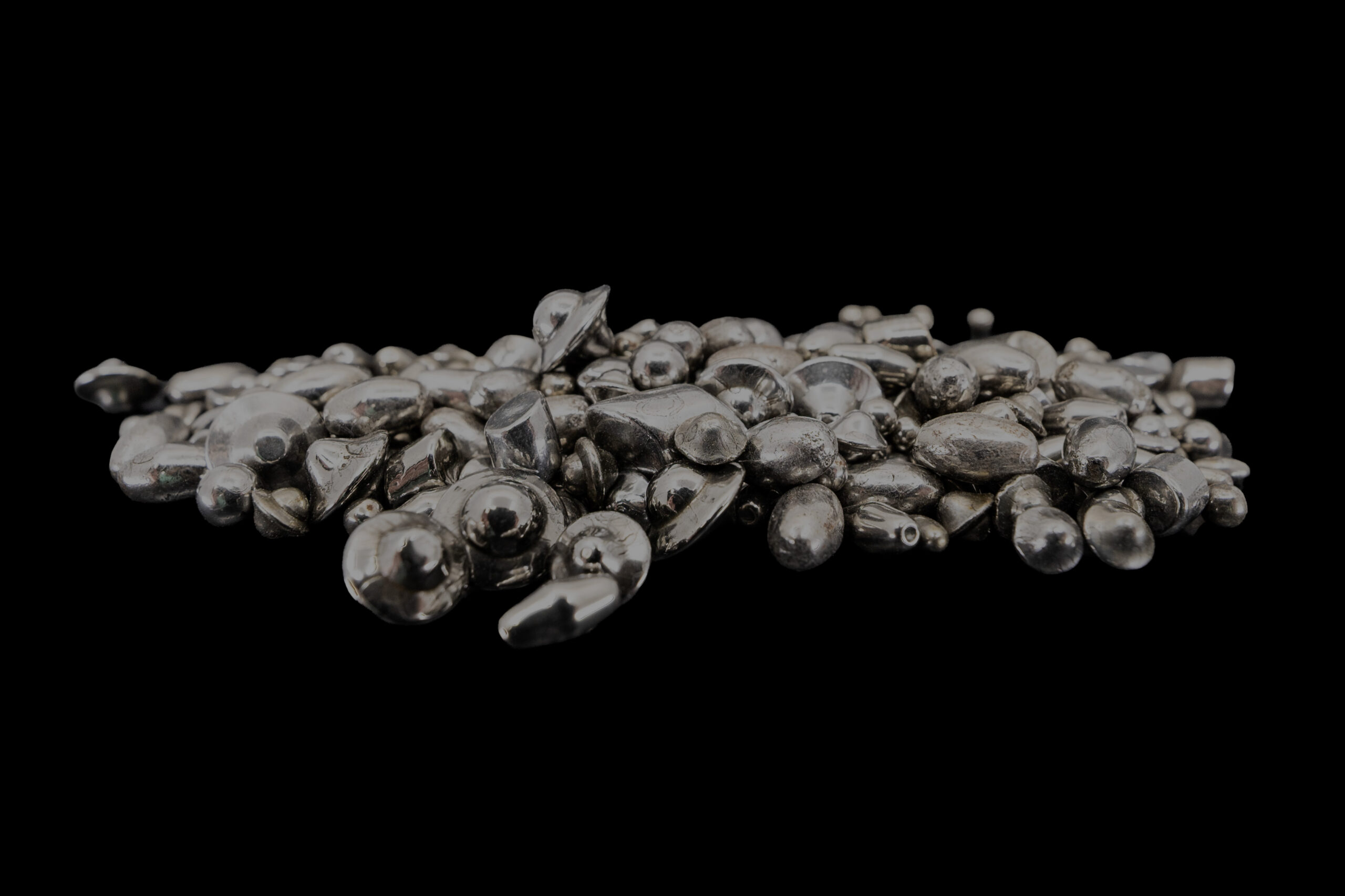
Stainless Steel Media Overview
Stainless steel media is manufactured from corrosion-resistant steel alloys that provide exceptional durability and cleanliness during finishing operations.
Advantages of Stainless Steel Media
1. Corrosion Resistance
The primary advantage of stainless steel media is its resistance to rust and oxidation. This significantly reduces maintenance requirements and extends service life in wet finishing environments.
2. Cleaner Finishing Process
Stainless steel media minimizes contamination risks, making it ideal for:
- Stainless steel components
- Aluminum parts
- Medical devices
- Aerospace components
- Food-grade equipment
3. Superior Surface Finish
Many manufacturers choose stainless steel media when achieving a bright, highly polished surface is critical. It consistently produces smooth, attractive finishes without introducing discoloration or corrosion concerns.
4. Reduced Maintenance
Unlike carbon steel media, stainless steel media typically does not require corrosion inhibitors, reducing chemical consumption and maintenance costs.
Limitations of Stainless Steel Media
- Higher initial purchase cost.
- Slightly less aggressive than some hardened carbon steel media options.
- Longer return on investment for lower-volume operations.
Carbon Steel vs. Stainless Steel Media: Side-by-Side Comparison
| Feature | Carbon Steel Media | Stainless Steel Media |
|---|---|---|
| Material Cost | Lower | Higher |
| Corrosion Resistance | Low | Excellent |
| Surface Finish Quality | Very Good | Excellent |
| Rust Formation | Possible | Minimal |
| Maintenance Requirements | Higher | Lower |
| Contamination Risk | Higher | Very Low |
| Service Life | Long | Very Long |
| Pre-Plate Preparation | Excellent | Excellent |
| Light Deburring | Excellent | Very Good |
| Burnishing Performance | Aggressive | Consistent and Clean |
| Suitable for Sensitive Components | Limited | Excellent |
Best Applications for Carbon Steel Media
Carbon steel media is often preferred for:
- Automotive components
- Industrial hardware
- Carbon steel parts
- Fasteners
- Stampings
- High-volume production environments
Its cost-effectiveness and aggressive finishing action make it ideal where contamination concerns are minimal.
Best Applications for Stainless Steel Media
Stainless steel media is commonly used for:
- Aerospace components
- Medical instruments
- Food processing equipment
- Decorative metal products
- Aluminum parts
- Stainless steel parts
The corrosion resistance and cleanliness of stainless steel media make it especially valuable in industries with strict quality requirements.
Which Media Should You Choose?
The choice between carbon steel and stainless steel media depends on your finishing objectives, budget, and part materials.
Choose carbon steel media when:
- Maximum finishing speed is required.
- Cost is a primary consideration.
- Processing carbon steel components.
- Slight contamination risks are acceptable.
Choose stainless steel media when:
- Corrosion resistance is critical.
- Working with stainless steel or non-ferrous metals.
- Superior cosmetic finishes are required.
- Cleanliness and contamination control are priorities.
Finishing it up…
Both carbon steel and stainless steel media serve as highly effective, heavy, non-consumable solutions for polishing, surface smoothing, pre-plate preparation, and light deburring. Carbon steel media offers an economical and aggressive finishing option for high-volume production, while stainless steel media delivers superior corrosion resistance, cleanliness, and finish quality.
For manufacturers seeking long-term performance and premium surface finishes, stainless steel media often provides the greatest value. However, for operations that prioritize speed and cost efficiency, carbon steel media remains a reliable, proven finishing solution.