
Ceramic media is a key component in finishing processes, including deburring, smoothing, and polishing. With many options available, selecting the right type can feel complicated. This guide breaks the process into clear steps so you can make a confident choice and get consistent results.
Steps in the process:
- Define your process goal
- Select the right shape
- Choose an appropriate size
- Match abrasiveness to the task
- Consider durability
- Align with your equipment
- Evaluate total cost
- Test before scaling
What Is Ceramic Media?
Ceramic media is made from a blend of clay, minerals, and abrasives, such as aluminum oxide. It is designed to remove material or refine surfaces in vibratory finishers, tumblers, and similar equipment. It is widely used because it is durable, predictable, and effective across many materials.
Step 1: Define Your Application
Start by identifying exactly what you need the media to do. The right choice depends heavily on your end goal.
If your primary objective is heavy deburring, you will need a more aggressive media. If you are smoothing surfaces to prepare for coating, a medium cut works well. For cosmetic finishing or polishing, a fine media is more appropriate.
Also consider the material you are working with and the shape of your parts. Hard metals typically need stronger media, while softer materials require a gentler approach to avoid damage.
Step 2: Choose the Right Shape
The shape of the media determines how well it reaches different areas of your part.
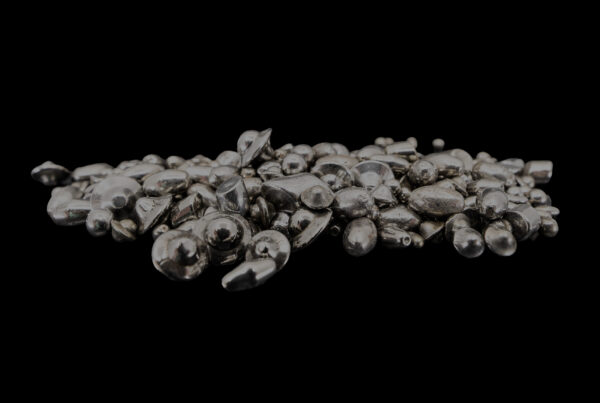
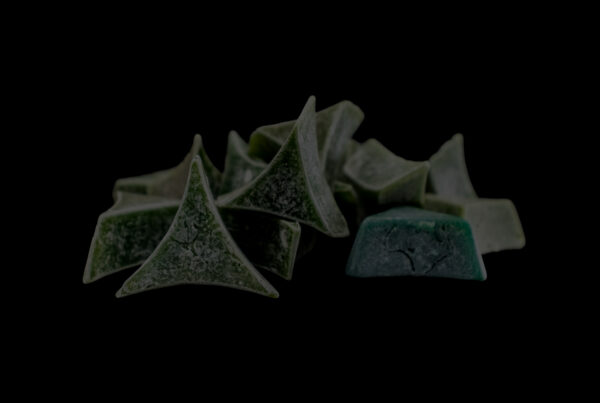
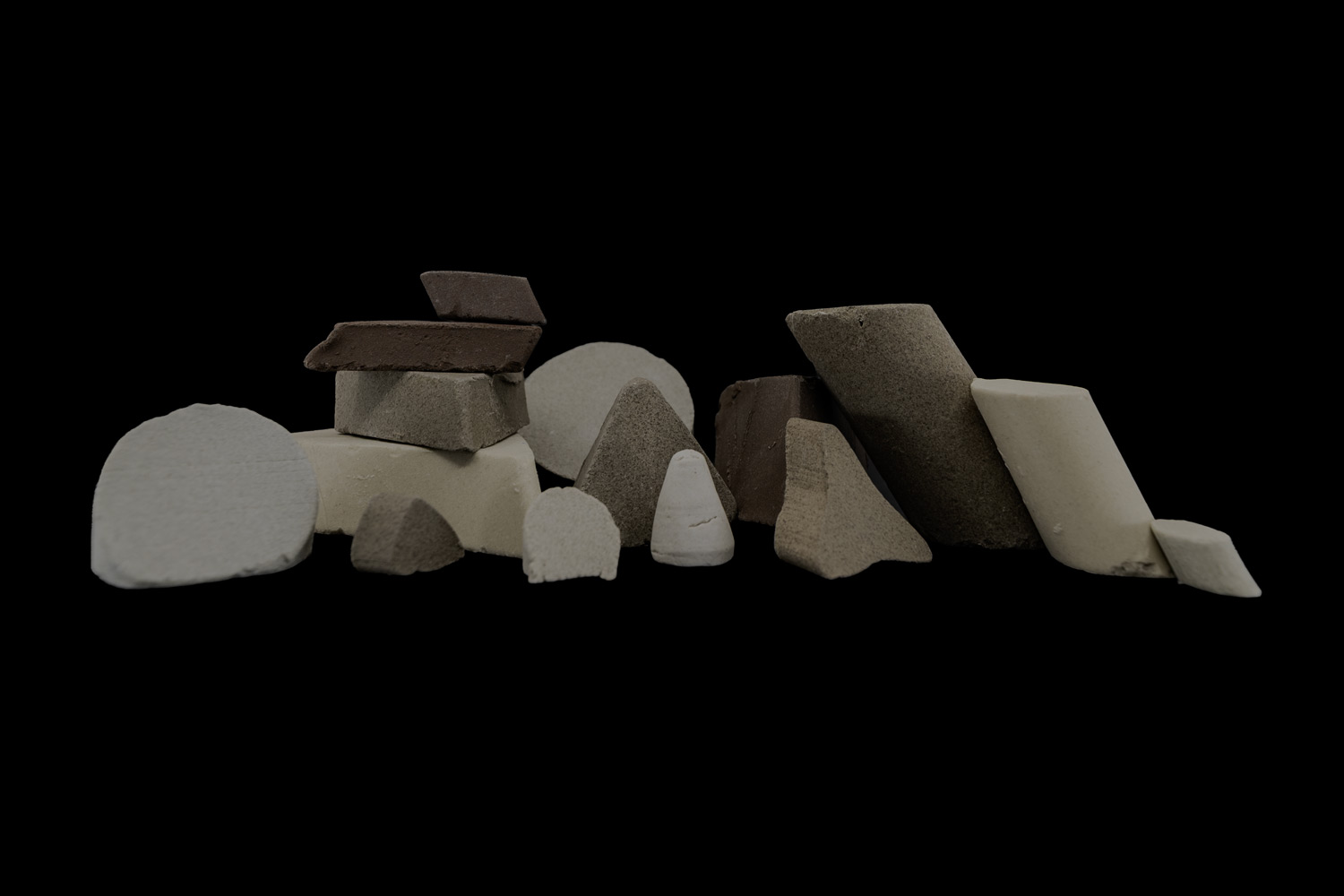
Triangles and similar shapes are useful for parts with corners or internal features because they can reach into tighter areas. Cylinders work well on flat surfaces where you want even contact. Spherical media is typically used when the goal is polishing rather than cutting.
The key is to match the shape to your part geometry so all critical surfaces are processed without the media getting stuck or causing unwanted wear.
Step 3: Select the Correct Size
Media size directly affects both effectiveness and surface finish.
Smaller media can reach tight spaces and create smoother finishes, but they remove material more slowly. Larger media cuts faster but may not reach detailed features.
As a general rule, the media should be small enough to access the areas you care about, but not so small that it becomes lodged in holes or cavities. Finding the right balance here improves both efficiency and part quality.
Step 4: Consider Abrasiveness
Abrasiveness, often called cut rate, determines how quickly the media removes material.
High-cut media is best for aggressive deburring and reducing cycle times, especially on harder metals. Medium cut options offer a balance between removal and surface refinement. Fine media is designed for polishing or achieving a smooth finish with minimal material removal.
It is important to avoid using overly aggressive media on soft materials, since this can cause pitting or unwanted surface damage.
Step 5: Evaluate Density and Durability
Ceramic media varies in density, which affects both performance and lifespan.
Higher-density media tend to last longer and maintain their shape, providing consistent results over time. Lower-density options may have a lower upfront cost, but they wear down faster and may need to be replaced more often.
A longer-lasting media often provides better overall value, especially in high-volume processes where consistency is critical.
Step 6: Match the Media to Your Equipment
Your finishing equipment also plays a role in selecting the right media.
Different machines, such as vibratory bowls, tubs, or tumblers, perform differently depending on the size and weight of the media. The machine’s size, power, and operating conditions all influence how the media behaves.
Using media that aligns with your equipment ensures proper movement, consistent contact with parts, and reliable results.
Step 7: Think Beyond Purchase Price
It is easy to focus on upfront costs, but total process costs are more important.
Higher-quality media may reduce cycle times, improve surface finish, and reduce rework. Over time, these improvements can outweigh the initial purchase price. Plus, the added benefit of a more durable media might reduce labor and downtime associated with swapping or cleaning out worn media.
When evaluating options, consider how the media impacts productivity, maintenance, and overall output quality.
Step 8: Test Before Full Use
Even with careful selection, testing is essential.
Running small trials with different media options allows you to compare performance, finish quality, and cycle times. This step helps confirm that your choice works well with your specific parts and process conditions.
Testing reduces risk and ensures you achieve the desired outcome before scaling up production.
Final Thoughts
Choosing ceramic media becomes much simpler when you focus on your application, part geometry, and finishing goals. By taking a structured approach and testing your options, you can improve efficiency, extend media life, and achieve consistent results.
A well-matched media does more than just finish parts. It supports a smoother production process and helps maintain quality across every batch.