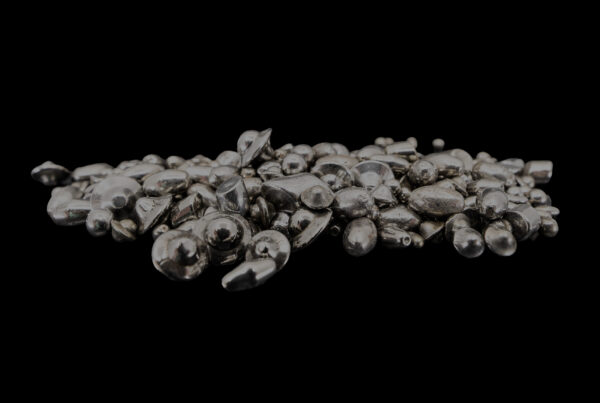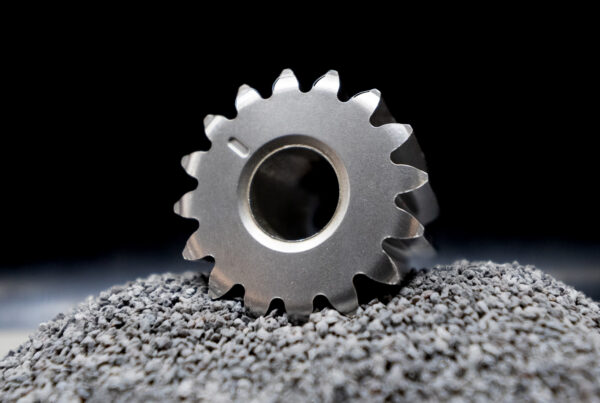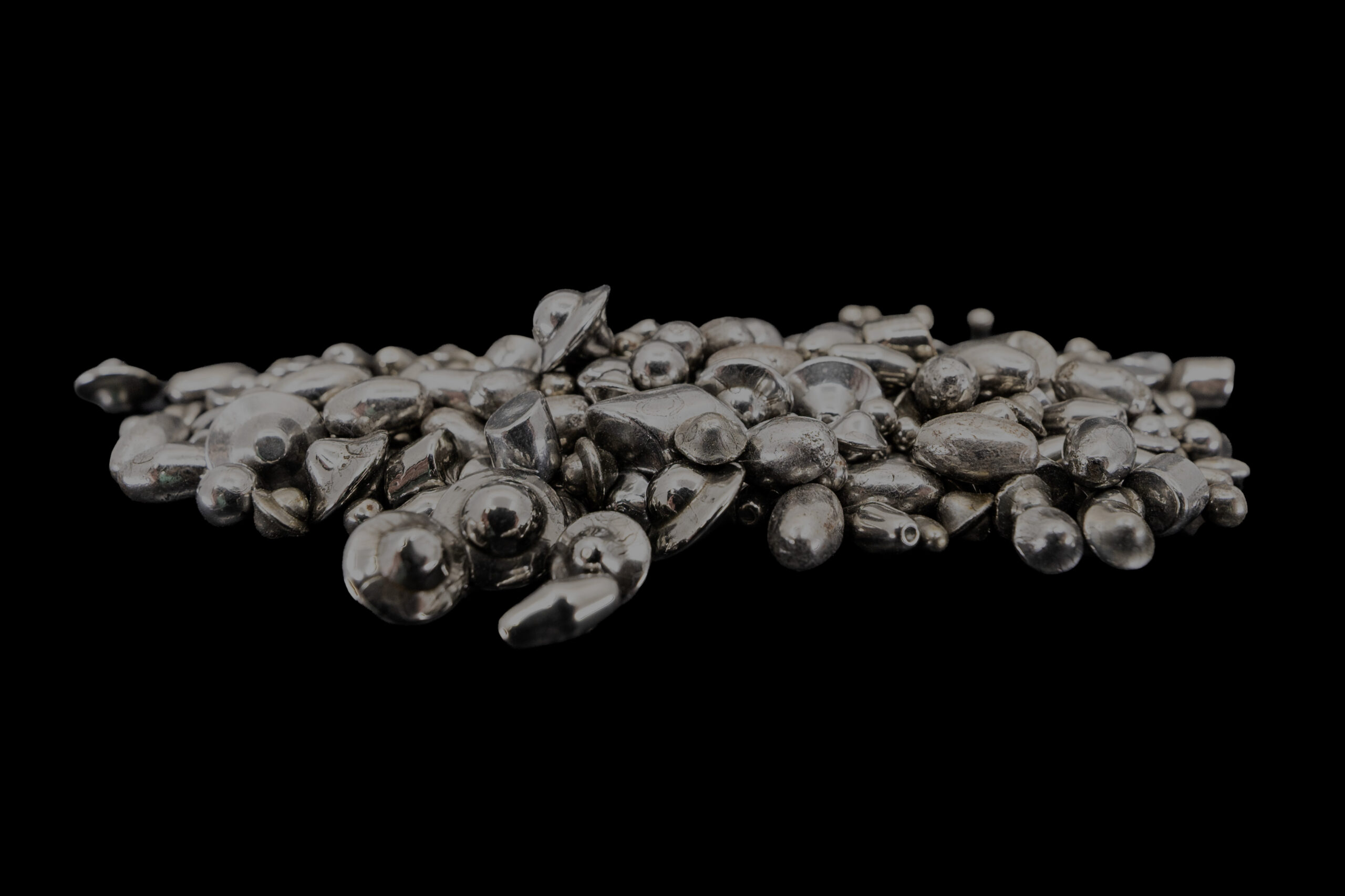

Steel media is a category of reusable abrasive materials made from hardened steel, commonly used in blasting and surface preparation processes. The two most common forms are steel shot, which is round, and steel grit, which is angular. Because it can be recycled many times within a system, steel media is valued for its durability, consistency, and ability to deliver controlled, repeatable results.
- Define your process goal
- Select the right shape
- Choose an appropriate size
- Match abrasiveness to the task
- Consider durability
- Align with your equipment
- Evaluate total cost
- Test before scaling
What Is Steel Media?
Steel media refers to reusable blasting abrasives made from hardened steel, typically used in wheel- or air-blast systems. The most common types are:
- Steel Shot (round) – Used for peening and smooth finishes
- Steel Grit (angular) – Used for aggressive cleaning and profiling
- Specialty Media – Cut wire shot, stainless steel shot, conditioned shot, etc.
Define Your Process Goal
The first step is understanding what you want the process to accomplish. Some operations require aggressive removal of mill scale or corrosion, while others focus on preparing a surface for coating or improving fatigue performance through peening. There are also cases where the goal is simply to clean parts without significantly altering the surface.
Each of these outcomes requires a different approach. Surface preparation for coatings demands a specific anchor profile, while peening requires controlled impact without material removal. Clarifying the objective ensures the rest of your decisions stay aligned with the desired result.
Select the Right Shape
The shape of the media determines how it interacts with the surface.
Steel shot is spherical and produces a smooth, uniform finish. It is commonly used when surface integrity matters, such as in peening or applications where a consistent appearance is required.
Steel grit is angular and designed to cut into the surface. It is more effective for removing coatings, rust, or scale and for creating a surface profile that allows coatings to adhere properly.
Choosing between these two comes down to whether the job requires cutting action or surface refinement.
Choose an Appropriate Size
Media size influences both the speed of cleaning and the finish that remains on the surface.
Larger media particles carry more impact energy, increasing productivity but leaving a rougher profile. Smaller media produces a finer finish and is better suited for lighter cleaning or thinner materials.
When coatings are part of the process, size selection becomes more critical. The media must create a surface profile that matches the coating system’s requirements. If the profile is too aggressive or too smooth, coating performance can suffer.
Match Abrasiveness to the Task
The media’s hardness and shape primarily control Abrasiveness. Harder media provides greater cutting power, which is useful for removing tough contaminants. However, it also tends to fracture more quickly, leading to increased dust and higher consumption.
Softer media typically lasts longer and produces a more uniform finish, but it removes material more slowly. A medium hardness often provides a good balance for general cleaning applications.
The goal is to match the level of aggressiveness to the demands of the job without creating unnecessary wear or waste.
Consider Durability
Durability plays a major role in both performance and cost. High-quality steel media maintains its shape and size across many cycles, resulting in consistent blasting performance and reduced replacement frequency.
Media that breaks down quickly creates excess dust and requires more frequent replenishment. This not only increases material costs but can also disrupt the process and add maintenance demands.
Durable media supports a stable, predictable process over time.
Align with Your Equipment
Your blasting equipment sets practical limits on what media will perform best.
Wheel blast systems depend on durable, uniform media that can handle repeated high-speed impacts. Consistency is important because variation in particle size or shape can affect flow and efficiency.
Air blast systems offer more flexibility and are often used for detailed or localized work. They can accommodate a wider range of media sizes and hardness levels.
Matching the media to the system ensures efficient operation and reduces unnecessary wear on equipment.
Evaluate Total Cost
The true cost of steel media goes beyond the purchase price. It includes how long the media lasts, how efficiently it performs, and how it affects the rest of the operation.
Longer-lasting media reduces replacement frequency and helps maintain stable operating conditions. Efficient media can reduce processing time and improve throughput. Lower dust generation also means less cleanup and maintenance.
Considering total cost rather than upfront price leads to better long-term value.
Test Before Scaling
Before making a full transition, it is important to test the selected media under real operating conditions. Small-scale trials allow you to measure cleaning performance, confirm surface profile, and monitor how quickly the media breaks down.
Testing helps verify that the media delivers the expected results and integrates smoothly into your process. It also provides an opportunity to make adjustments before committing to full production scale.
Final Thoughts
Choosing steel media involves aligning your goals, materials, and equipment into a system that performs consistently. By working through each of these considerations, you can improve surface quality, control costs, and create a more efficient operation.
Starting with a balanced option and refining based on measured results is often the most effective way to achieve long-term success.